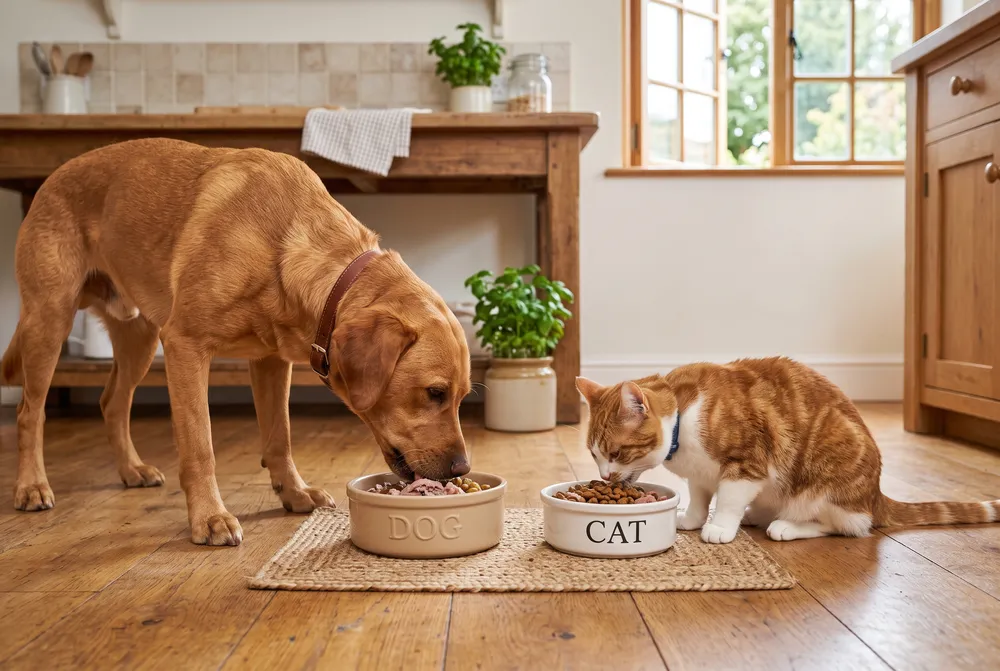
Obesity in dogs and cats has become one of the most common health problems seen in veterinary practices. A very high proportion of the pets living with us are overweight, and the most worrying part is that many owners are not aware of it. We are so used to seeing our dog or cat with a few extra kilos that we perceive it as something normal, when in reality it is a disease that directly affects their quality of life and life expectancy.
Excess weight is harmful for reasons that go beyond appearance; it is worth knowing how to assess your pet's body condition at home and, most importantly, what you can do to help them regain their ideal weight in a healthy and gradual way.
Why obesity is a serious health problem
Being overweight is not just a cosmetic issue. Excess body fat puts continuous strain on the body and promotes the appearance of numerous diseases that reduce your pet's wellbeing.
Consequences of excess weight
- Joints and mobility: the extra weight overloads bones and joints, accelerating the wear of cartilage. It is one of the main causes of lameness and of problems such as canine osteoarthritis. If you notice that your dog is limping, you may want to read what to do when your dog limps.
- Diabetes: especially in cats, obesity multiplies the risk of developing diabetes mellitus.
- Heart and breathing: the heart has to pump blood to more tissue and fat makes breathing more difficult, especially in hot weather.
- Shorter life expectancy: being overweight reduces a pet's quality of life and life expectancy, compared with animals that stay at their ideal weight.
The good news is that obesity is preventable and reversible. Detecting it in time and taking action makes an enormous difference to your companion's health.
How to assess body condition at home
You don't need a sophisticated scale to get a first idea of your pet's condition. Vets use the body condition score, an assessment that combines what you see with what you feel. You can do a simple version at home by following two basic steps.
Look and feel: the two key steps
Feel the ribs: place your hands on both sides of the chest and slide your fingers with gentle pressure. In an animal at its ideal weight you should feel the ribs easily, like when you touch the back of your hand. If you have to press to find them or can't locate them, there is excess fat.
Observe the waist: look at your pet from above and from the side. Viewed from above, you should see a narrowing (a waist) behind the ribs. From the side, the abdomen should tuck up towards the back and not hang down.
The following table summarises, in a simplified way, what you should see and feel at each level:
| Body condition | What you see | What you feel |
|---|---|---|
| Underweight | Ribs and hip bones very prominent; very pronounced waist | Almost no fat over the ribs |
| Ideal | Waist visible from above and abdomen tucked up in profile | Ribs easy to feel with a thin layer of fat |
| Overweight | Waist barely defined; abdomen somewhat rounded | You have to press to feel the ribs |
| Obese | No waist; distended abdomen and visible fat deposits | Ribs difficult or impossible to feel |
This home assessment is just a guide. At the clinic we complement the examination with the weight and, when necessary, with follow-up by our internal medicine specialists to rule out hormonal causes.
“Excess weight quietly takes years off their life. Caring for your pet's weight is one of the best ways to love them.”
The most common causes of being overweight
In most cases, obesity comes down to a simple imbalance: more energy goes in than is burned. These are the causes we see most often in the clinic.
Diet and lifestyle
- Overfeeding: serving portions by eye or refilling the bowl when it empties usually means a daily calorie excess.
- Treats and leftovers: snacks, treats and scraps of human food add up to far more calories than we imagine.
- Sedentary lifestyle: few walks for a dog or a lack of play and stimulation for a cat reduce energy expenditure.
- Not adjusting the diet after neutering: after neutering the metabolism slows down and energy needs drop; if the same portion is kept, weight goes up. It's a good idea to review your pet's diet with your vet at that point.
Age, certain breeds and some hormonal diseases also play a role, which is why even a slight increase in weight always deserves a professional check-up.
How to help your pet regain their ideal weight
Losing weight should be done gradually and under supervision: crash diets are dangerous, especially in cats. The goal is to lose fat without losing muscle mass.
A practical step-by-step plan
- Appropriate diet: choose a quality food and, if there is significant overweight, consider a specific veterinary weight-control diet.
- Measure the portions: use a measuring cup or kitchen scale instead of guessing by eye. The amount should be based on the target weight, not the current one.
- Control the treats: reduce them and subtract those calories from the daily food. You can use small pieces of their own kibble or safe vegetables as a treat.
- Regular exercise: gradually increase a dog's walks and encourage play in a cat with wands and interactive toys.
- Weight checks: weigh your pet every few weeks and attend follow-up appointments to adjust the plan.
Consistency is the key. Small changes maintained over time achieve visible results and, above all, a happier and more active pet. Looking after their weight is also one of the best investments you can make so that your companion reaches a healthy maturity, as we remind you in our care tips throughout the year.
Assess each case with your vet; the right treatment depends on each animal's age, weight, health status and history.
Frequently asked questions
How do I know if my dog or cat is overweight?
The most reliable home method is to feel the ribs and observe the waist. If you have to press to feel the ribs and you can't see a narrowing behind them when looking at your pet from above, there is probably excess weight. A veterinary check-up will confirm it accurately.
How long does it take for a pet to lose weight?
Healthy weight loss is slow and gradual; your vet will indicate a safe target pace for your pet. Depending on how much overweight there is to begin with, reaching the ideal weight can take several months. What matters is that the loss is gradual and supervised so as not to put their health at risk.
Do treats and leftovers really cause that much weight gain?
Yes, more than it seems. A small snack can make up a very high percentage of the calories your pet needs for the whole day. You don't have to eliminate treats, but it's important to control them and subtract them from the daily portion.
We help you take care of your pet's weight
If you have any doubts about your dog or cat's body condition, at Clínica Veterinaria Somo (Cantabria) we carry out a complete assessment and design a tailored weight-control plan. Book your appointment through our contact page or call us on 942 51 00 66. Looking after their weight today is giving them more years of health and wellbeing.